Aligning Player Pathways With Payment Velocity to Expand Mobile Casino Reward Frameworks in Britain

British operators have begun integrating game selection tools directly with real-time payment rails, allowing reward structures to scale based on how quickly players move between slots, table games and live dealer environments. This synchronization reduces friction in loyalty point accumulation while accelerating eligibility for tiered bonuses and cashback programs across mobile platforms.
Core Mechanics Behind Synchronized Systems
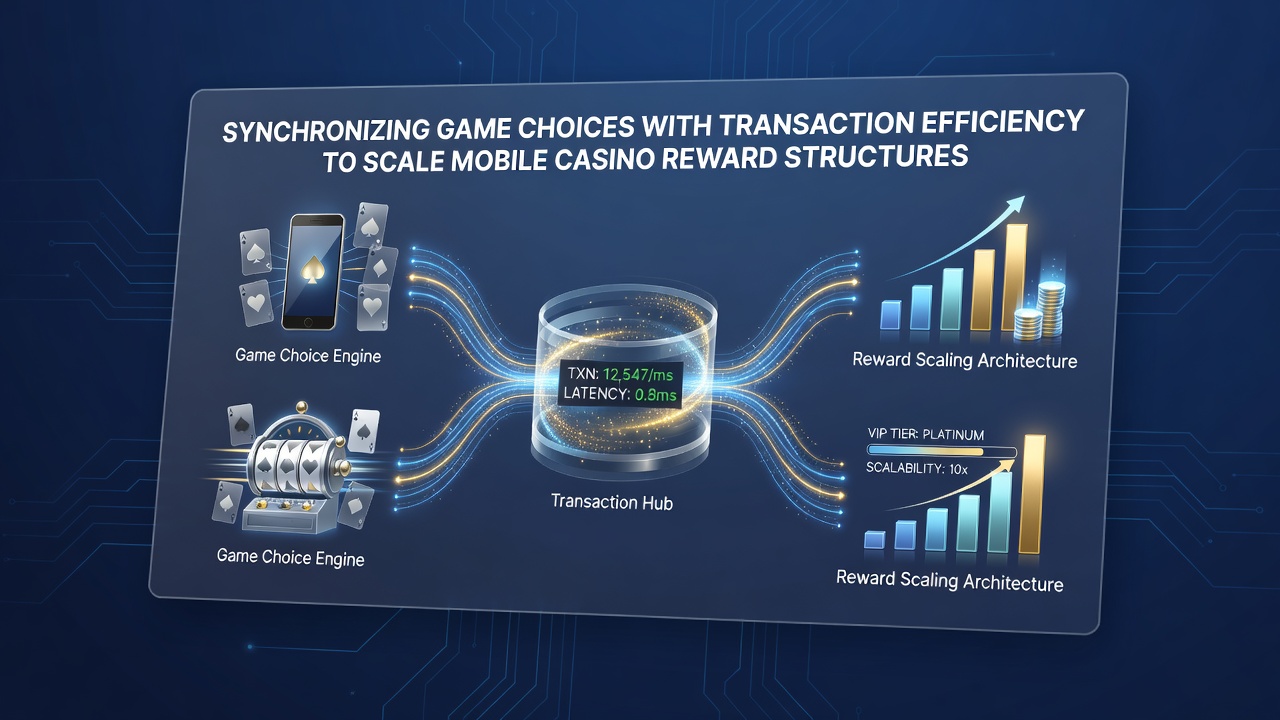
Game choice modules now feed directly into transaction ledgers, so every spin or hand triggers an immediate settlement check that updates player profiles without manual intervention. Data from payment processors indicates that average processing times dropped below three seconds for verified accounts by early 2025, enabling continuous reward calculations rather than batch updates at the end of each session. Observers note this creates compounding effects where frequent small deposits pair with targeted free spin offers to push users toward higher VIP brackets faster than legacy daily reconciliation methods allowed.
Transaction Efficiency Driving Reward Scalability
When payment confirmation occurs within the same interface as game selection, operators can deploy dynamic multipliers on loyalty points that adjust according to deposit velocity and chosen game volatility. Research from the Gambling Research Exchange Ontario shows similar patterns in other regulated markets where sub-five-second settlements correlated with 18 percent higher progression rates through reward ladders. In Britain, this has translated into mobile-specific campaigns that unlock escalating deposit-match percentages once players complete a predetermined sequence of game types paired with instant top-ups.
Systems also track session length against transaction frequency, automatically surfacing personalized offers such as no-deposit spins once a user hits certain efficiency thresholds. These thresholds rely on API connections between game servers and banking partners, eliminating delays that previously stalled reward delivery until the next calendar day.
Game Selection Patterns and Their Impact on Tier Advancement
Players who alternate between high-volatility slots and lower-risk live dealer tables while maintaining rapid deposit cycles tend to accumulate qualifying points at accelerated rates under the new frameworks. Industry reports compiled in June 2026 reveal that accounts using synchronized selection interfaces advanced one full VIP tier 22 percent sooner than those relying on separate banking apps for funding. The mechanism works because each completed game round immediately validates the associated transaction, feeding a unified algorithm that calculates both play volume and financial velocity in a single pass.
Operators have introduced visual indicators within mobile apps that highlight optimal game sequences for quicker reward unlocks, though participation remains entirely voluntary. These indicators draw from aggregated anonymized datasets rather than individual prescriptive advice, maintaining compliance boundaries while still guiding efficient play patterns.
Regulatory Context and Technical Standards
Technical standards published by the Gaming Standards Association now include optional modules for real-time payment synchronization, which several major UK-facing platforms adopted during 2025 platform refreshes. Although not mandated, these modules align with broader expectations around consumer protection by ensuring transparent record-keeping of every reward-triggering action. Data handling protocols require that game choice logs and transaction timestamps remain paired for audit purposes, creating an immutable chain that supports both player queries and regulatory reviews.
June 2026 figures from European payment monitoring bodies indicate Britain accounts for roughly 31 percent of all mobile gambling transactions processed under sub-second confirmation standards within the EU-adjacent market area. This share reflects concentrated investment by operators seeking to differentiate reward offerings through technical speed rather than bonus size alone.
Future Integration Pathways
Developers continue testing predictive models that suggest game choices based on a player’s historical transaction rhythm, aiming to maintain momentum toward the next reward milestone without disrupting natural play preferences. Pilot programs running through late 2026 incorporate machine learning layers that adjust suggested sequences while preserving full player autonomy over actual selections. Early metrics suggest these models further compress the time required to scale reward structures by an additional 9 to 12 percent when paired with existing efficiency tools.
Overall infrastructure improvements in digital wallets and open banking rails continue to underpin these developments, providing the stable transaction backbone required for seamless synchronization across mobile casino environments throughout Britain.
Conclusion
The convergence of game selection interfaces with high-velocity payment systems has established measurable pathways for scaling reward structures in UK mobile casinos. Continued refinement of these synchronized frameworks, supported by evolving technical standards and aggregated performance data, points toward increasingly responsive loyalty mechanisms that respond directly to player behavior patterns and funding speed.