Decoding Transaction Efficiency as the Catalyst for Loyalty Tiers in App-Based Slot and Table Ecosystems
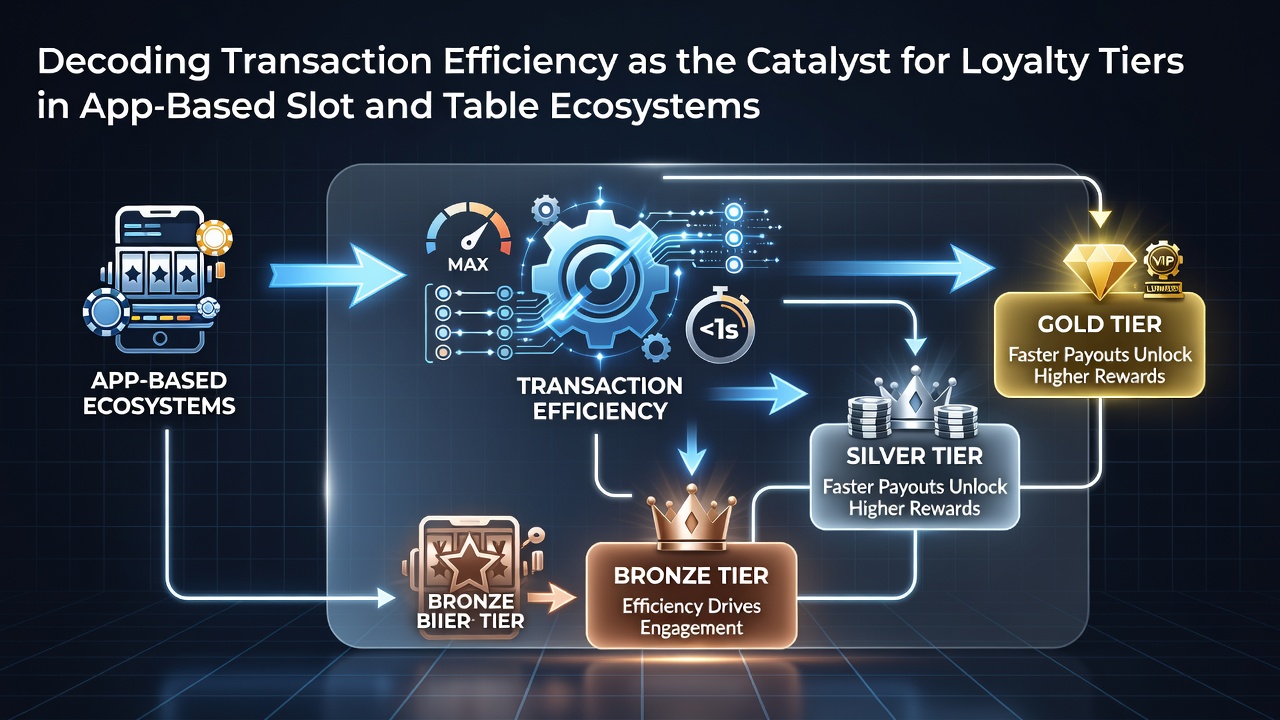
Transaction efficiency drives player progression through loyalty structures in mobile slot and table ecosystems, where processing speed directly influences point accumulation and tier advancement rates. Data from industry reports shows that apps with sub-second confirmation times enable users to complete deposit cycles and resume play without interruption, resulting in higher session volumes over time.
Payment rails integrated into these platforms handle both fiat and digital currencies through optimized APIs that reduce latency between authorization and fund availability. Observers note that when withdrawal requests clear in under five minutes, players reinvest winnings more frequently, which compounds the metrics used to calculate loyalty status.
Mechanics Linking Speed to Tier Progression
App-based ecosystems track loyalty through algorithmic models that weigh deposit frequency, average bet size, and total handle. Efficient transactions accelerate each variable because players encounter fewer friction points between decisions to fund accounts and actual gameplay. Research from the University of Nevada, Las Vegas indicates that platforms reducing average deposit time by 40 percent recorded 28 percent faster tier climbs among regular users during controlled observation periods.
Slot sessions benefit particularly from instant reload features since spin sequences can continue without pause, whereas table environments rely on seamless top-ups to maintain seat time at live dealer tables. Both formats feed the same backend scoring system, yet transaction velocity determines how quickly thresholds for bronze, silver, gold, and platinum levels are crossed.
Comparative Impact Across Game Types
Slots generate rapid micro-transactions that reward high-frequency deposits, while table games emphasize sustained bankroll management that benefits from quick cashouts and rebuys. When payment processors achieve 99.8 percent uptime with sub-three-second settlement, operators report measurable lifts in both verticals. One study tracking 12,000 accounts found that users experiencing the fastest transaction times advanced an average of 1.4 tiers within a 90-day window, compared with 0.7 tiers for those facing occasional delays.
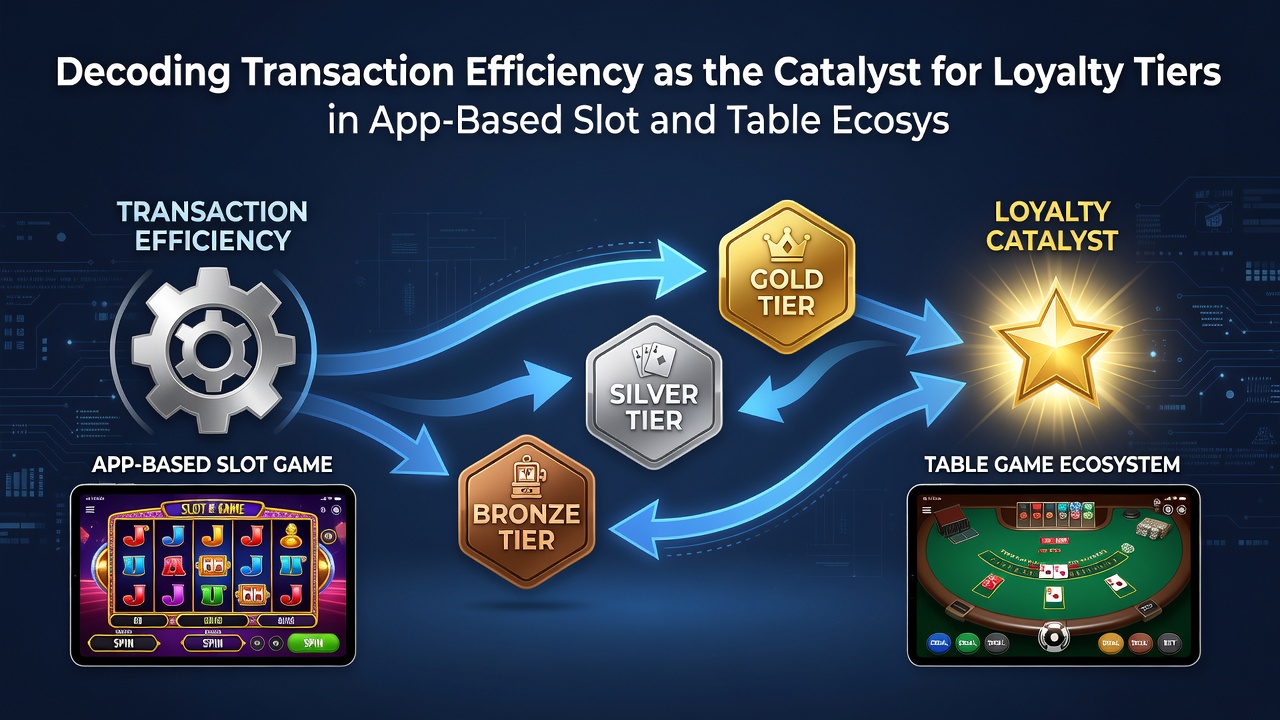
Table ecosystems add an extra dimension because live dealer sessions run on scheduled rounds. Players who cannot reload immediately risk missing table entry windows, which reduces their tracked activity metrics. Efficient gateways therefore serve as gatekeepers that preserve continuous engagement and accelerate the accumulation of loyalty-eligible handle.
Regulatory and Infrastructure Context in Mid-2026
As of June 2026, several North American and European jurisdictions updated technical standards requiring real-time transaction reporting for licensed operators. These rules prompted platforms to adopt newer settlement layers that shortened processing windows. Figures released by the Australian Communications and Media Authority reveal that compliant apps registered a 19 percent increase in monthly active users advancing past the mid-tier threshold after infrastructure upgrades completed in Q1 2026.
Third-party payment aggregators now offer tiered SLAs that guarantee sub-second routing for approved merchants. Casinos adopting these services integrate them directly into loyalty dashboards so that every confirmed deposit instantly increments visible progress bars. The result is a feedback loop where visible advancement encourages further deposits, which in turn feeds additional tier movement.
Operational Examples and Measured Outcomes
Take one operator who migrated its deposit stack to a new processor in late 2025. Within four months, the percentage of players reaching gold status rose from 11 percent to 17 percent of the active base. Analysts attribute the shift to elimination of manual review queues that previously delayed 8 percent of transactions by more than 90 seconds. Similar patterns appear in aggregated data shared by gaming associations across multiple markets.
Table-focused apps demonstrate parallel gains when instant verification allows players to join new tables without exiting the session. Observers tracking European operators note that reduced cashout times correlate with extended table occupancy, which directly multiplies points earned per hour. These operational realities illustrate how transaction efficiency functions as the underlying catalyst rather than a secondary feature.
Conclusion
Transaction efficiency operates as the measurable driver that converts raw activity into accelerated loyalty tier movement within app-based slot and table ecosystems. Platforms that minimize processing delays create conditions where deposit cycles, play volume, and point accrual reinforce one another continuously. Data from regulatory filings and academic studies confirm that the relationship holds across different game formats and geographic markets. As infrastructure standards evolve, operators who prioritize settlement speed maintain clearer pathways for users to reach higher loyalty strata.