Exploring Neural Reward Circuits in Evolving Digital Game Structures
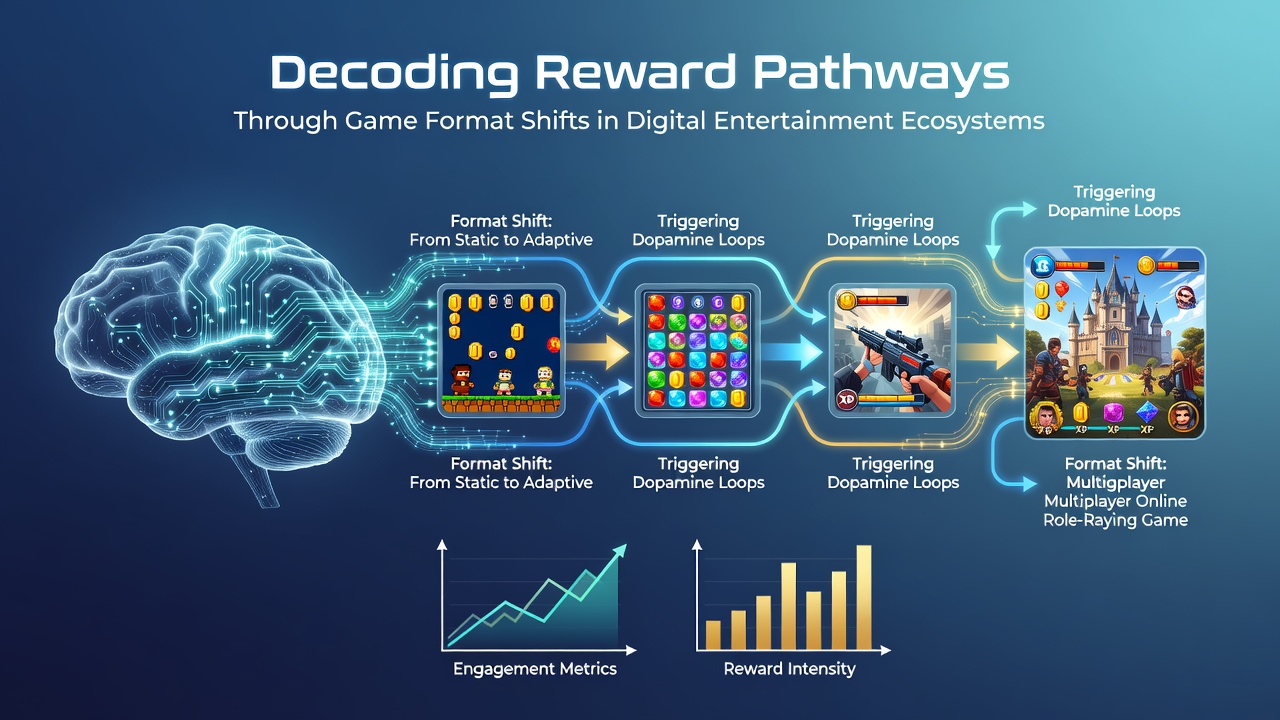
Digital entertainment platforms continue to alter their core structures, and observers note that these changes often intersect with established patterns in human motivation systems, particularly those involving dopamine signaling and reinforcement learning. Researchers have tracked how shifts between formats such as single-player campaigns, live multiplayer sessions, and mobile-first experiences produce measurable differences in engagement metrics across large user populations.
Core Mechanisms of Reward Activation
Studies in cognitive neuroscience demonstrate that the brain's mesolimbic pathway responds strongly when users encounter novelty introduced through format transitions, and data from functional MRI experiments show elevated activity in the ventral tegmental area during these moments. According to findings published by the National Institutes of Health, repeated exposure to new mechanics within the same entertainment ecosystem strengthens synaptic connections that support continued participation, while older fixed-format experiences tend to produce habituation effects that reduce response intensity over time.
Game developers track these patterns through telemetry systems that record session length, return frequency, and in-app progression rates, and analysts at the Entertainment Software Association of Canada have compiled regional datasets indicating that titles incorporating scheduled format pivots maintain higher retention curves than static counterparts across multiple quarters ending in June 2026.
Format Transitions Across Platforms
Console ecosystems have moved toward hybrid models that blend narrative-driven segments with competitive arenas, and players frequently report heightened anticipation when crossing between these modes. Mobile environments accelerate this process by enabling rapid switches between short-session loops and extended social features, which creates layered reinforcement schedules that align with variable-ratio reward principles documented in behavioral research.
One longitudinal project conducted by Australian academic teams examined user data from major streaming platforms and found that individuals who alternated between spectator viewing and active participation showed stronger activation in nucleus accumbens regions compared with those locked into single-mode consumption. These observations align with broader industry reports that link structural flexibility to sustained revenue patterns without relying on any single regulatory framework.
Measurement Approaches and Data Trends
Industry analysts employ a combination of neuroimaging correlates, behavioral logs, and survey instruments to quantify how format shifts recalibrate reward sensitivity, and recent compilations from European research consortia reveal consistent upward trends in engagement scores following major structural updates released between late 2025 and mid-2026. Metrics such as average daily active minutes and cross-format completion rates provide quantifiable markers that developers use to refine future iterations.
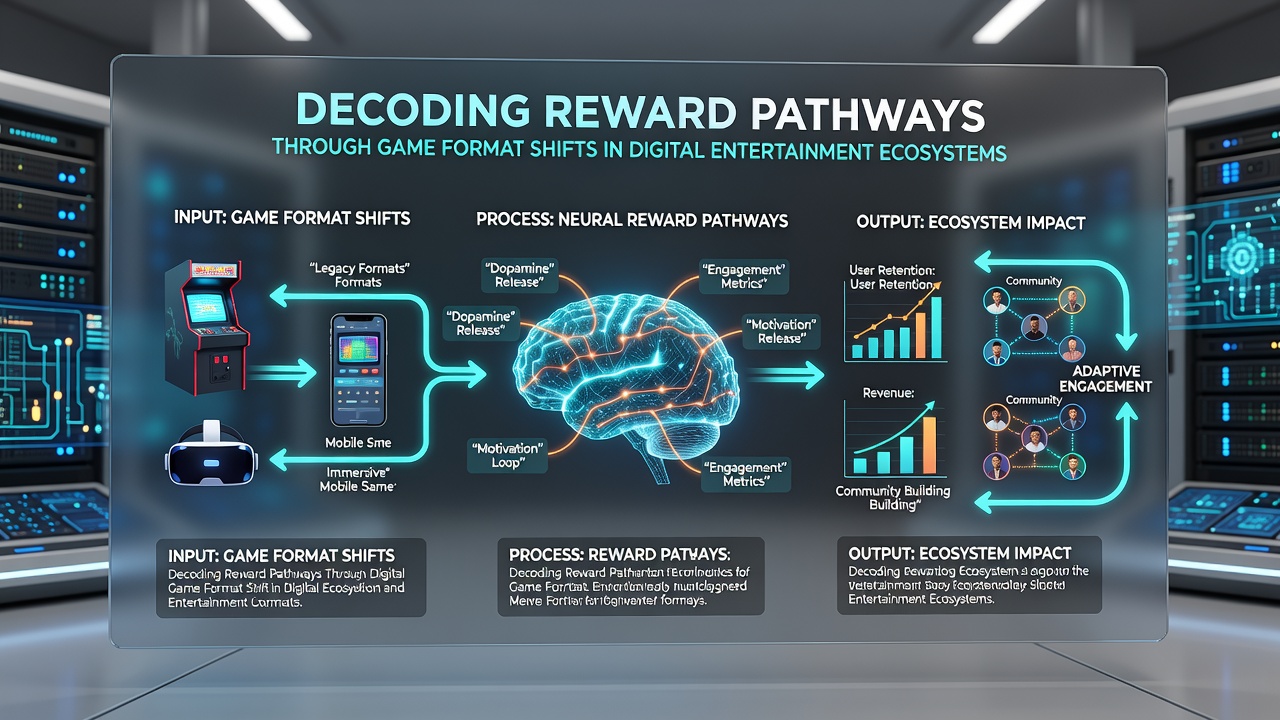
Telemetry dashboards commonly surface spikes in voluntary tutorial revisits and social sharing actions immediately after new modes launch, which suggests that the introduction of unfamiliar reward structures resets exploration drives that had previously plateaued. Reports from Canadian trade associations further indicate that ecosystems allowing seamless movement between competitive ladders and cooperative events generate broader demographic participation than rigid single-genre offerings.
Cross-Regional Patterns in User Response
Comparative analyses across North American and Asia-Pacific markets highlight that cultural differences in preferred social features interact with underlying reward circuitry in predictable ways, and research groups at several universities have documented how collectivist versus individualist framing of progression systems modulates dopamine release during format changes. These studies avoid prescriptive conclusions yet supply granular datasets that inform platform architecture decisions worldwide.
Telemetry from live service titles released in early 2026 shows that staggered rollout of new modes produces more stable retention curves than simultaneous global launches, because staggered timing permits localized calibration of reward density. Observers tracking these deployments note that gradual format integration reduces the risk of overload in reward pathways while preserving the novelty factor that drives initial uptake.
Conclusion
Evidence accumulated from multiple research streams illustrates that format shifts within digital entertainment ecosystems function as deliberate interventions in established reward pathways, and the resulting engagement patterns reflect measurable interactions between structural novelty and neural reinforcement mechanisms. Continued monitoring through telemetry, imaging, and cross-regional datasets supplies the factual foundation for understanding these dynamics as platforms evolve through 2026 and beyond.