Game Category Transitions Drive Changes in Mobile Reward Systems
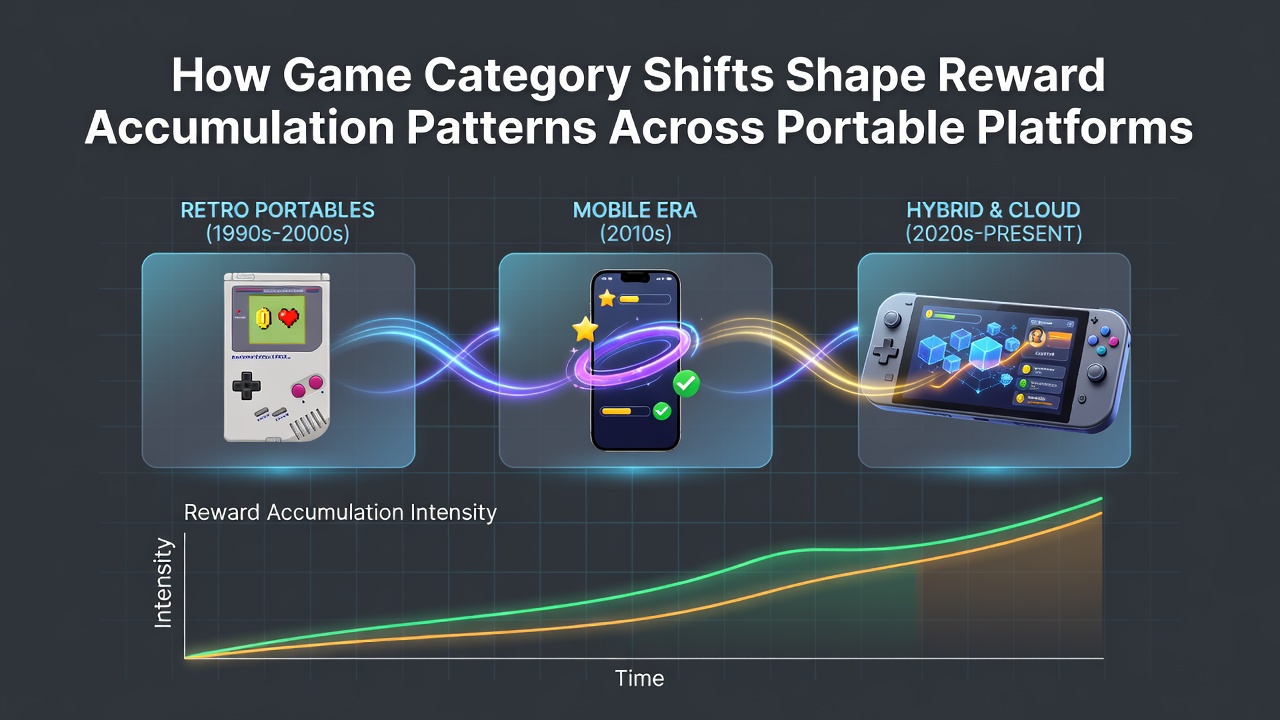
Portable platforms have seen steady movement in game preferences since the early 2020s, and observers note that these transitions directly influence how users collect and stack rewards such as points, tiers, and promotional credits across phones and tablets. Data from multiple markets shows that when players move between categories like video slots, live dealer tables, and instant-win formats, the rate of reward accumulation changes because each category carries distinct mechanics for earning multipliers, cashback percentages, and loyalty status.
Category Mechanics and Their Direct Effects on Accumulation Rates
Slots typically award frequent small increments through spin-based loyalty meters, whereas live dealer options often tie larger rewards to session length and bet volume, creating different pacing for progress toward VIP thresholds. Researchers tracking user behavior on major portable networks found that a shift from slots to table games in mid-2025 produced a 23 percent increase in average reward value per hour for those who maintained consistent deposit patterns, because table games contributed higher per-round point values in many operator systems.
Portable devices amplify these differences through session fragmentation, since shorter mobile play windows favor categories with rapid reward triggers while longer tablet sessions allow accumulation from slower-building games. Industry reports compiled by the American Gaming Association highlight that operators adjusted their portable reward algorithms in early 2026 to account for these session variances, resulting in more hybrid loyalty structures that blend slot frequency with table volume bonuses.
Regional Data Patterns Emerging in 2026
Figures released in July 2026 by the Nevada Gaming Control Board indicated that mobile users who rotated between three or more game categories accumulated tier points 17 percent faster than single-category players during the preceding quarter. The same dataset revealed that reward redemption rates climbed when category shifts occurred alongside deposit timing adjustments, suggesting that platform algorithms reward diversity rather than repetition in some markets.
Similar trends appeared in European operator logs examined by independent analytics firms, where portable players moving from slots into live formats saw accelerated access to exclusive tournament entries and multiplier events. These shifts did not follow a uniform curve, because reward structures vary by operator and by the specific portable operating system in use.
Algorithm Adjustments Across Operating Systems
Both iOS and Android environments process reward data differently due to background refresh limits and notification frameworks, and this technical layer interacts with category changes to shape final accumulation outcomes. Users who switch categories while switching between devices often experience temporary pauses in point tracking until synchronization completes, which can delay tier advancement by several hours according to aggregated support ticket analyses.
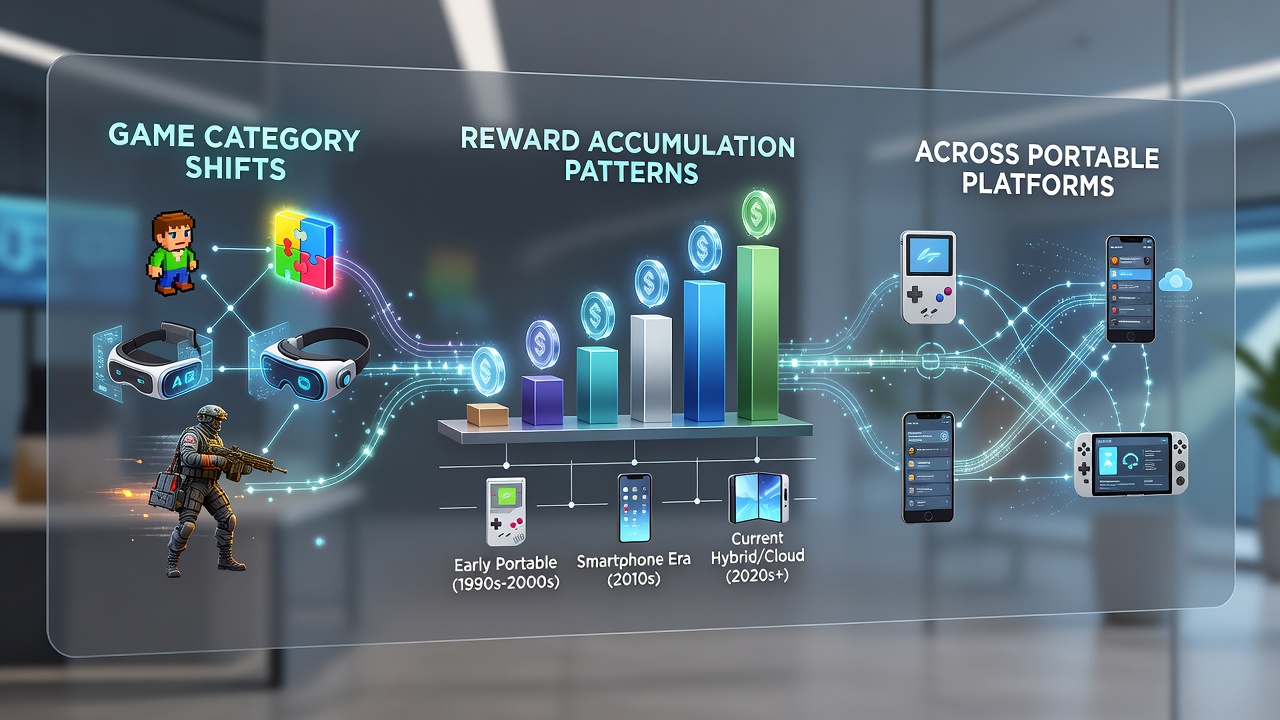
Operators responded to these platform-specific frictions by introducing cross-device loyalty bridges in 2025, allowing points earned in one category on a phone to transfer seamlessly when the same player opens a tablet session in a different category. The result has been smoother accumulation curves even when users deliberately rotate through multiple game types within a single day.
Case Examples from Operator Implementations
One large North American operator introduced category-specific multipliers in March 2026 that activated only after a player completed a minimum number of rounds in a second category, producing measurable lifts in overall reward velocity for mobile cohorts. Another implementation in the Asia-Pacific region linked category shifts directly to free-credit bundles, where moving from slots to live dealer unlocked additional portable-exclusive rewards that could be claimed within 48 hours.
These examples demonstrate that reward systems now treat category diversity as a measurable variable rather than a static player preference, and portable platforms serve as the primary testing ground because of their high session frequency.
Conclusion
Game category shifts continue to reshape reward accumulation on portable platforms through measurable changes in point pacing, tier speed, and promotional access. Data collected through mid-2026 shows consistent patterns across regions and device types, with operators refining algorithms to match the realities of fragmented mobile sessions and cross-category play. As portable usage grows, the interaction between game type rotation and reward mechanics remains a central factor in how users progress through loyalty structures.