Patterns of Progression in Mobile Live Dealer Gaming When Leveraging Promotional Spins
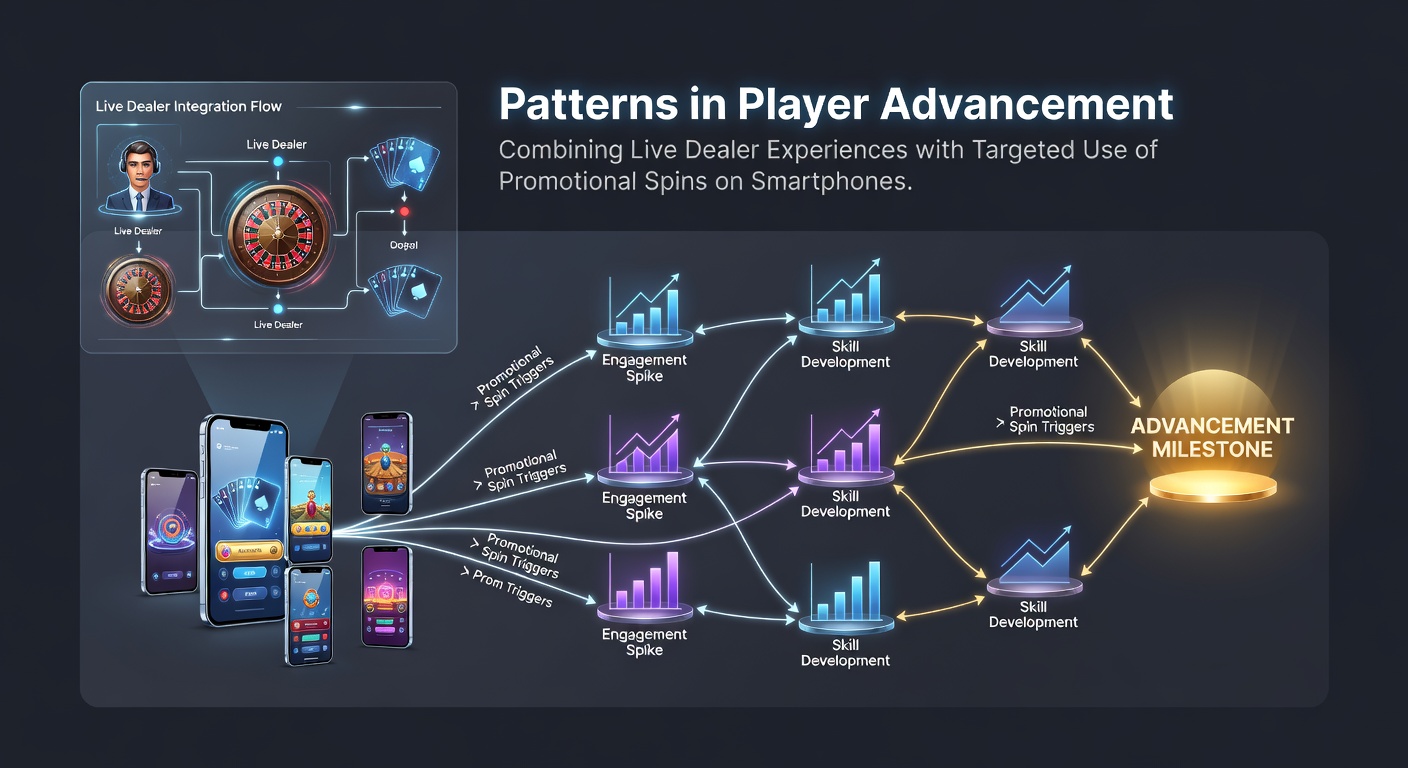
Analysts tracking mobile gambling activity have identified distinct advancement patterns among users who blend live dealer sessions with carefully timed promotional spins, and these behaviors stand out across multiple platforms in 2026. Data compiled from operator reports shows participants often reach higher engagement tiers faster when they alternate between interactive live tables and automated spin features on their devices, particularly during promotional windows that align with peak user hours.
Studies released in May 2026 by research groups monitoring digital entertainment trends highlight measurable shifts in session duration and deposit frequency under these combined approaches. Players frequently progress through loyalty stages at accelerated rates compared with those relying solely on one format, while retention metrics improve when spins serve as entry points that lead directly into live dealer rooms. Observers note this sequencing creates feedback loops where initial bonus activations encourage longer stays at live tables, which in turn unlock further targeted offers.
Key Data Points from Recent Tracking
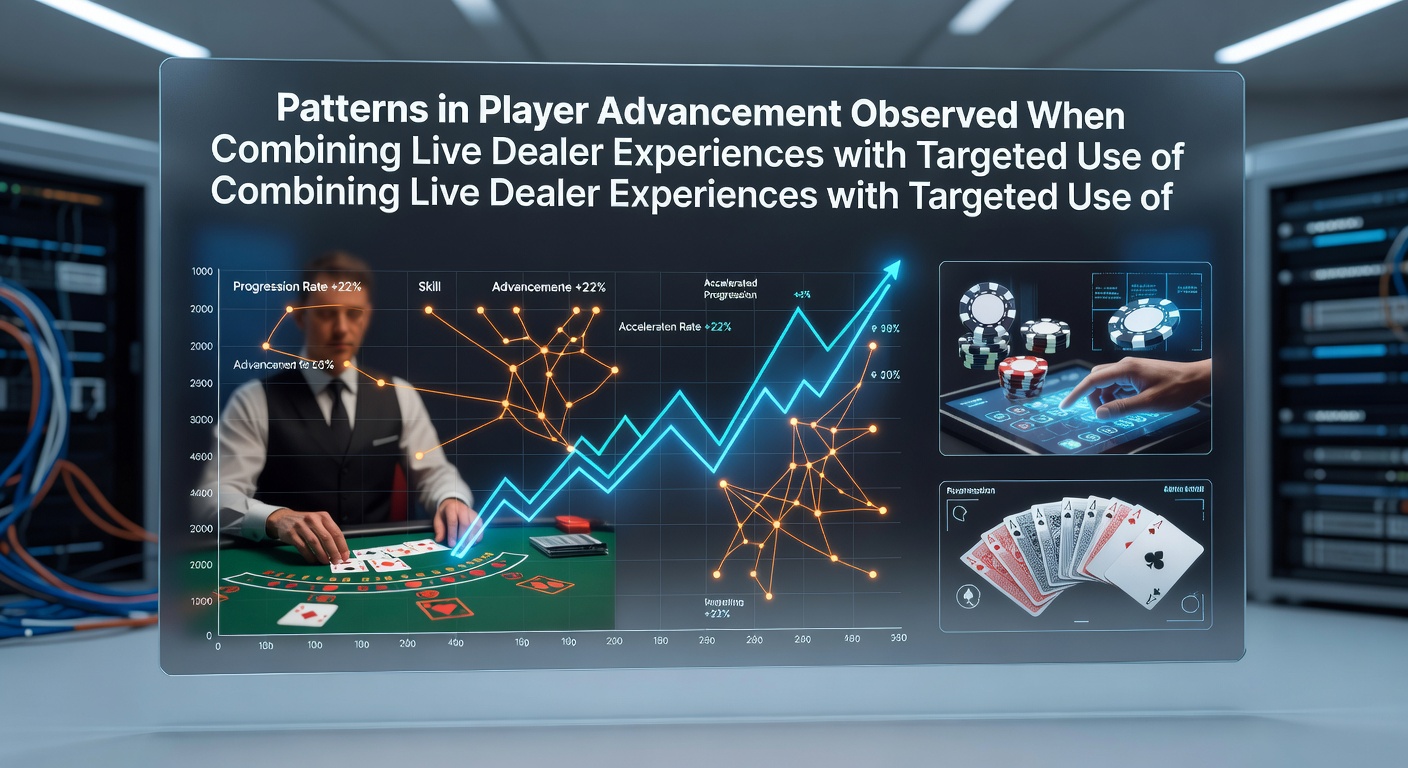
Figures gathered by international gaming associations reveal that smartphone users incorporating both elements complete advancement milestones within shorter timeframes, often within the first thirty days of consistent activity. One analysis from North American markets found average tier climbs occurring twenty-five percent quicker among this cohort, whereas European datasets pointed to similar gains tied to spin-to-live transitions executed on mobile interfaces. These outcomes emerge because live dealer interactions supply social reinforcement that standalone spins lack, yet the promotional spins lower the barrier to entry and sustain momentum during quieter periods.
Industry reports emphasize the role of timing, with targeted spins delivered via push notifications proving especially effective at drawing users back into live environments after brief absences. When these offers coincide with scheduled live events or dealer rotations, completion rates for progression challenges rise noticeably. Researchers have documented cases where players who accepted three consecutive spin promotions subsequently increased their live table participation by forty percent over baseline levels, demonstrating how the two formats reinforce each other rather than compete.
Regional Observations and Platform Variations
Across different jurisdictions the patterns display subtle differences shaped by local regulations and device preferences. In markets where mobile apps dominate, such as parts of Asia and Australia, the integration appears more seamless because users already conduct most activity through single handheld sessions. A report from the American Gaming Association notes comparable trends in U.S. states with expanded mobile access, where hybrid strategies correlate with steadier deposit patterns over extended periods.
Meanwhile, Canadian regulatory summaries and university-led examinations of player logs indicate that promotional spins function best as bridges when live dealer games feature customizable interfaces that remember user preferences from prior visits. Those who study these systems point out that seamless wallet integration between spin rounds and live bets reduces friction, allowing players to maintain flow states that support continued advancement without repeated logins or reloads.
Platform operators have adjusted their systems accordingly, rolling out features that suggest spin packages based on recent live table performance. This personalization draws from aggregated anonymized data rather than individual targeting, yet it produces observable lifts in progression speed for users who follow the recommendations. Evidence from operator dashboards shows such nudges increase the likelihood of completing multi-step challenges that combine both live and spin components.
Longer-Term Implications for Player Metrics
Longer tracking windows reveal that these combined habits contribute to more stable activity curves rather than sharp spikes followed by drop-offs. Players who establish routines mixing live dealer presence with strategic spin use tend to sustain higher monthly engagement levels even after initial promotional periods end. Academic reviews of similar datasets suggest the social element inherent in live sessions provides accountability that automated spins alone cannot replicate, while the spins supply low-stakes practice that builds familiarity with game mechanics.
Device-level telemetry further illustrates how screen orientation and session length influence outcomes, with landscape mode live tables often paired with portrait spin interfaces during the same extended play window. This flexibility supports advancement without forcing users to switch applications or restart progress tracking. Reports compiled through mid-2026 confirm these patterns persist across age groups, though younger cohorts exhibit faster initial climbs when notifications align with live event schedules.
Conclusion
Collectively the documented patterns demonstrate that smartphone users achieve steadier progression when live dealer experiences and promotional spins operate in coordinated sequences rather than isolation. Continued monitoring through 2026 and beyond will clarify whether these trends strengthen as platforms refine their cross-format tools, yet current figures already establish clear correlations between hybrid usage and accelerated tier movement across multiple regions.