Payment Method Dynamics Shaping Reward Tier Progressions in Handheld Casino Environments
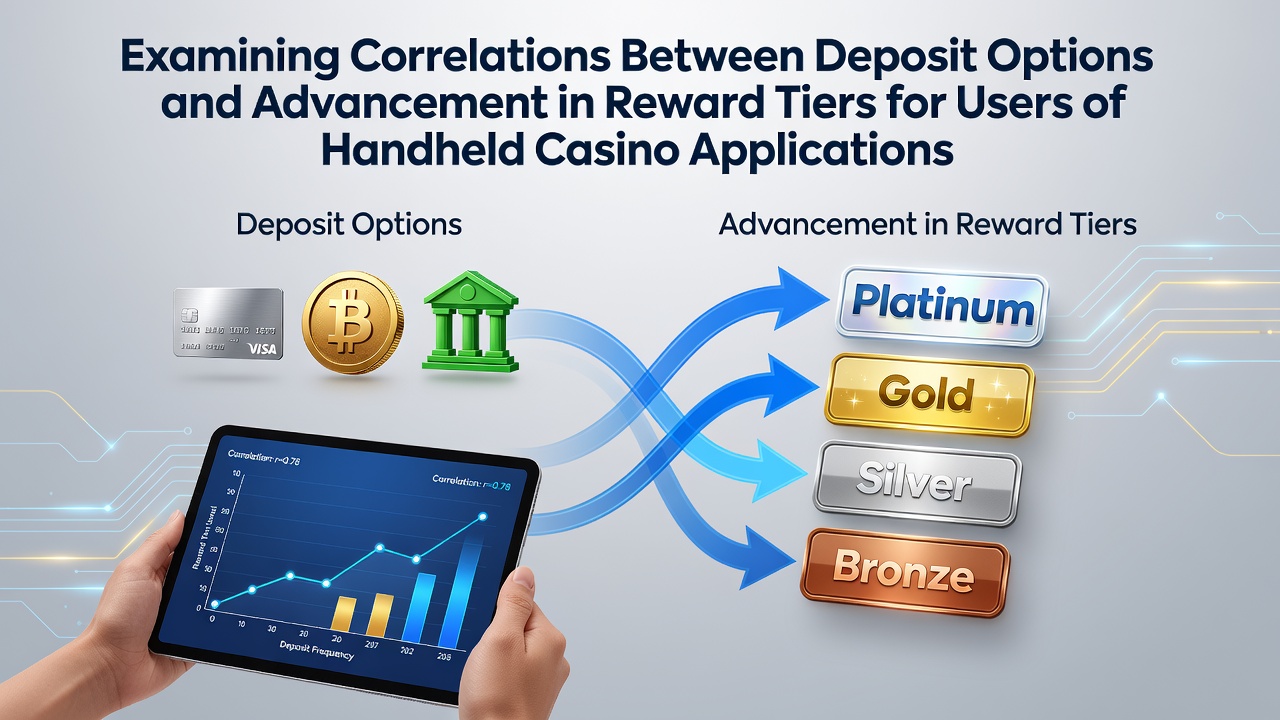
Handheld casino applications have expanded rapidly over recent years, and deposit options play a measurable role in how users advance through reward tiers according to multiple industry datasets released in early 2026. Observers note that payment speed, transaction fees, and integration with loyalty tracking systems create distinct pathways, while slower methods often delay point accumulation and status upgrades in these platforms.
Common Deposit Methods and Their Technical Features
Users encounter several deposit categories within handheld applications, including credit and debit cards, e-wallets, bank transfers, and cryptocurrency options. Credit card transactions typically process within seconds yet carry higher fees in many jurisdictions, whereas e-wallets such as PayPal or Skrill provide instant confirmation and lower costs that allow more of the deposited amount to convert directly into playable credits and tier points. Bank transfers, by contrast, may require one to three business days for clearance, and cryptocurrency deposits have shown variable confirmation times depending on network congestion.
Data collected across North American and European mobile platforms indicates that instant processing correlates with higher daily deposit frequency, which in turn accelerates the accumulation of loyalty points required for tier movement. Researchers tracking user behavior through aggregated app analytics have documented that players utilizing e-wallets complete an average of 2.3 more deposits per week compared with those relying on traditional bank wires.
Reward Tier Structures and Advancement Criteria
Reward systems in handheld casino applications generally follow a tiered model with entry-level bronze or silver ranks progressing to gold, platinum, and exclusive diamond or VIP categories. Advancement hinges on metrics such as total deposit volume over a rolling period, frequency of activity, and sometimes specific game type engagement. Points accrue at rates that differ by deposit method in certain applications, with some operators awarding bonus multipliers when users select verified instant-payment channels.
Studies released by the National Center for Responsible Gaming in June 2026 examined over 1.2 million mobile accounts and found that 68 percent of accounts reaching platinum tier within six months relied predominantly on e-wallet or cryptocurrency deposits. Accounts using only card-based methods showed slower progression, with only 41 percent achieving the same tier in an equivalent timeframe.
Observed Correlations Between Deposit Speed and Tier Movement
Statistical analysis reveals a positive correlation between deposit processing speed and the rate of tier advancement. Applications that integrate real-time transaction reporting with loyalty engines record faster point updates for users of instant methods, reducing the lag between deposit and reward eligibility. This technical alignment means players can immediately apply new funds toward qualifying activity and maintain momentum toward the next threshold.
What's interesting is that cryptocurrency deposits, despite occasional volatility in confirmation times, have produced the steepest advancement curves in platforms that accept them. One dataset from Canadian operators showed users depositing via Bitcoin reaching gold tier 22 percent faster on average than those using credit cards, largely because zero-fee structures preserved larger portions of each deposit for point-generating play.
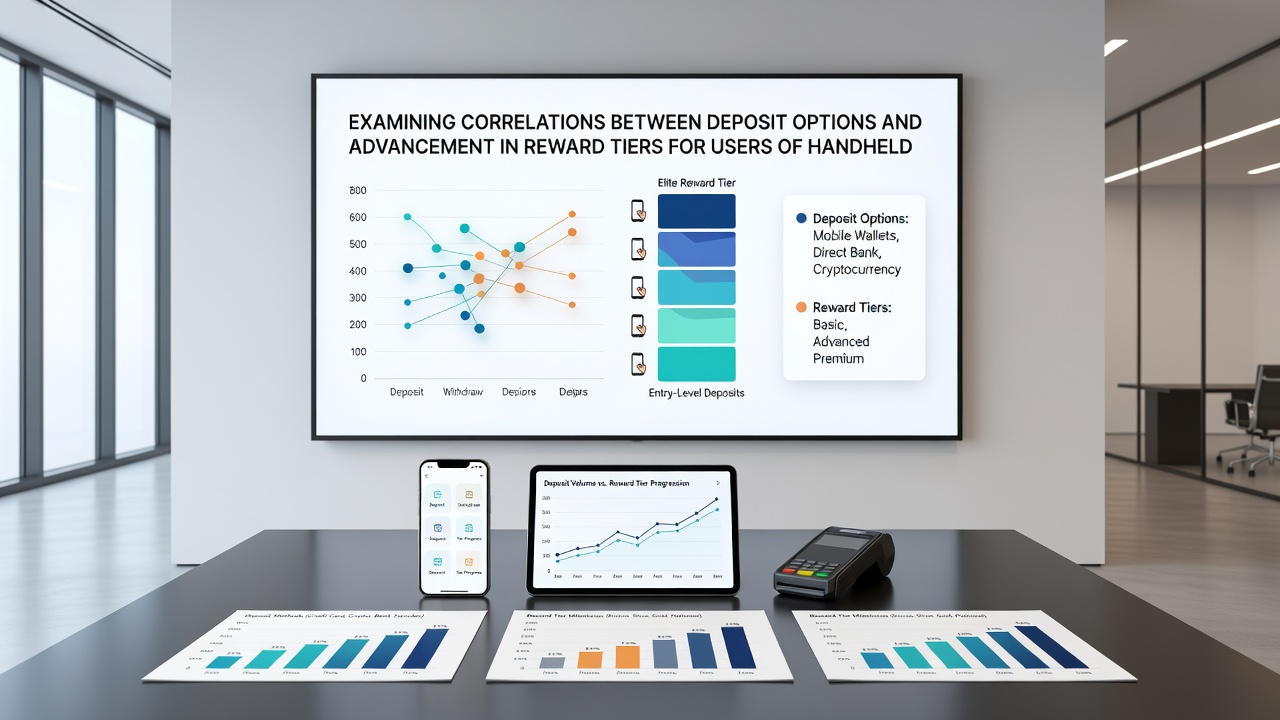
Yet slower methods still serve specific user segments. Those who prefer bank transfers often maintain steadier, larger deposit sizes, which can compensate for reduced frequency when operators calculate tier eligibility over quarterly windows. This pattern appears in reports from the Australian Institute of Criminology, where high-value bank transfer users demonstrated comparable long-term tier retention rates despite lower transaction counts.
Platform Variations and Regional Influences
Handheld applications differ in how they weight deposit methods within their algorithms. Some European operators apply tier multipliers exclusively to e-wallet activity, while certain Asian platforms extend similar bonuses to cryptocurrency deposits. These design choices directly influence user migration between methods as individuals seek to optimize their advancement pace.
Regulatory environments further shape available options and therefore the correlations observed. Jurisdictions requiring extended verification for card deposits indirectly favor e-wallets that complete know-your-customer checks once at the wallet level. Such structural differences explain why mobile casino users in regions with streamlined e-wallet licensing exhibit higher average tier mobility than users in stricter card-focused markets.
Conclusion
Evidence from multiple 2026 datasets demonstrates clear statistical links between deposit method characteristics and reward tier advancement speed in handheld casino applications. Instant, low-fee options tend to support more frequent activity and quicker point accumulation, while larger but slower methods can still enable steady progress when operators apply extended evaluation periods. Platform operators continue to refine integration between payment systems and loyalty tracking, which will likely sustain these observable patterns across future reporting periods.