Portable Live Games: How Volatility Impacts Loyalty Point Building
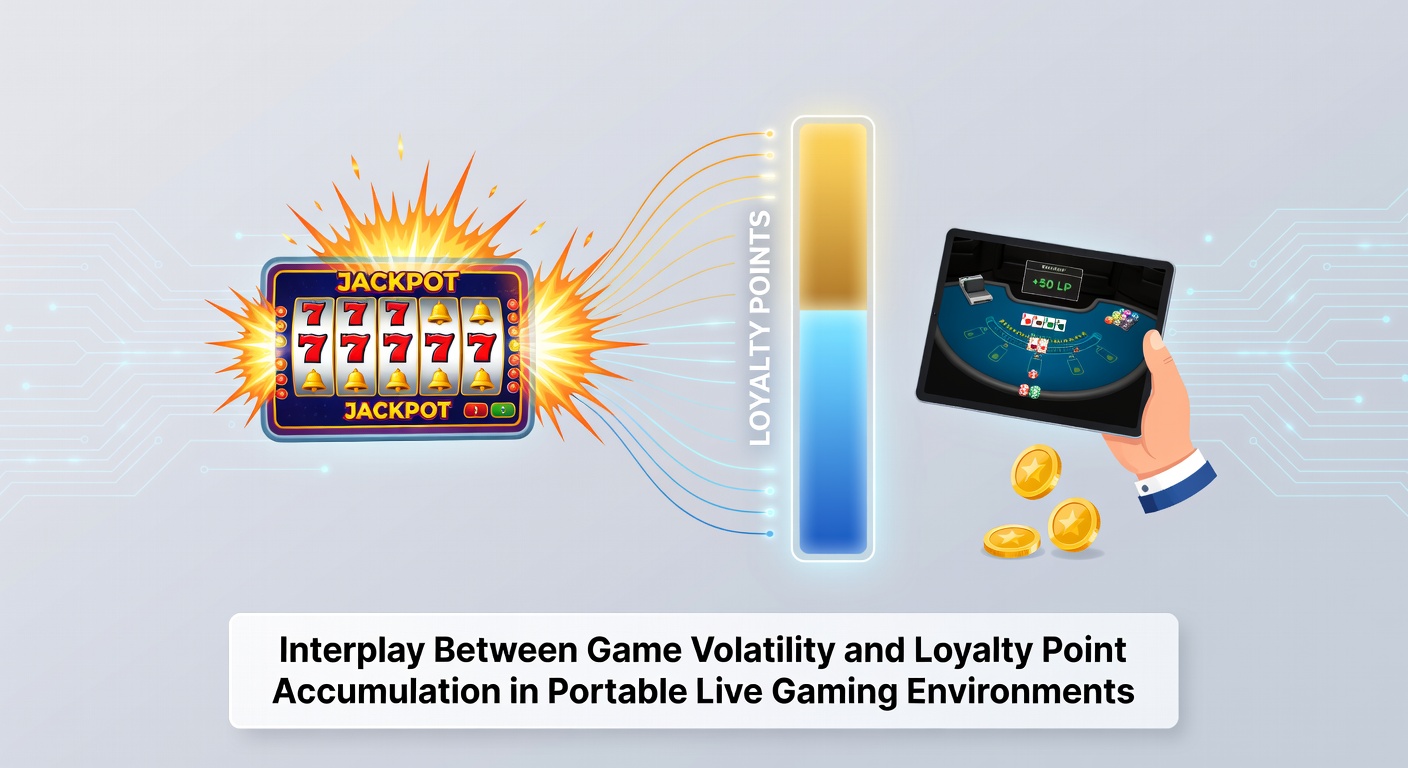
Game volatility refers to the frequency and size of wins within casino titles, while loyalty point accumulation tracks player activity through wagers placed across sessions; these two elements connect directly in portable live gaming environments where mobile platforms deliver real-time dealer interactions. Data from industry reports indicates that volatility levels influence how long sessions last and how steadily points build because high-volatility games produce larger but less frequent payouts whereas low-volatility options deliver smaller wins at steadier intervals.
Operators design loyalty programs around wager volume rather than outcome patterns, yet player behavior shifts based on volatility and this shift changes the rate at which points accrue. According to research from the University of Nevada Reno Gaming Innovation Lab, players facing high-volatility live titles often extend sessions after big wins which increases total wagers and therefore loyalty points earned over time.
Core Mechanics Linking Volatility to Point Systems
Portable live gaming environments rely on algorithms that award points per unit wagered regardless of win or loss, and volatility enters the equation through its effect on session duration and bet sizing. Low-volatility games keep players engaged with frequent small returns allowing consistent point growth across shorter mobile sessions, while high-volatility titles create longer dry spells that either drive players away or encourage larger bets in pursuit of recovery. Observers note that both patterns ultimately feed into the same point formula yet produce different accumulation curves depending on how individuals respond to swings in results.
Live dealer formats on mobile devices add another layer because real-time streaming and chat features encourage continued play during losing streaks common in high-volatility setups. Figures from Canadian provincial gaming authorities reveal that loyalty tiers advance faster among users who favor live roulette variants with moderate volatility compared to high-volatility live blackjack side bets where point spikes occur only after extended play periods.
Player Patterns Observed Across Mobile Platforms
Those who study mobile gambling data find that volatility shapes deposit and withdrawal timing which indirectly affects loyalty point momentum. Players encountering extended losses in high-volatility live environments often pause and return later with fresh bankrolls leading to segmented sessions that slow overall point totals compared to continuous low-volatility grinding. In contrast steady small wins from low-volatility games support repeated small bets that accumulate points without major interruptions.
Industry organizations such as the Australian Gambling Research Centre document how volatility preferences vary by device with portable users showing higher tolerance for medium-volatility live dealer poker because the format blends skill elements with chance and this balance sustains engagement long enough for tier progression. What's interesting is the way bonus structures sometimes amplify these effects since reload offers tied to point milestones encourage players to chase volatility levels that match their risk appetite.

Regulatory Context and Data Trends Through Mid-2026
By May 2026 regulatory bodies in multiple jurisdictions require clearer disclosure of how volatility metrics connect to reward calculations in digital platforms, and this push stems from efforts to improve transparency around player expenditure. Nevada Gaming Control Board guidelines updated in early 2026 direct operators to report average point accrual rates segmented by volatility category for live mobile titles which provides researchers with new datasets to examine the interplay. European regulators have followed similar paths with emphasis on cross-border mobile play where volatility influences loyalty progression at different speeds than desktop environments.
Evidence from aggregated platform analytics shows that loyalty programs incorporating volatility-aware adjustments, such as bonus point multipliers during high-swing periods, maintain steadier user retention across portable devices. These adjustments appear in markets like those overseen by the Alcohol and Gaming Commission of Ontario where operators must demonstrate fair point distribution regardless of game variance.
Technical Implementation in Live Mobile Settings
Live gaming engines on portable devices calculate volatility through standard deviation of returns over thousands of simulated rounds and feed this data into loyalty engines that remain independent of outcome randomness. Points accumulate strictly from handle or total amount wagered so volatility affects accumulation only through behavioral responses rather than direct mathematical linkage. Software providers integrate volatility labels into game lobbies allowing users to select titles based on preferred point-building speed which in turn shapes how mobile sessions unfold.
One documented case involves operators who adjusted live dealer stream lengths for high-volatility titles to reduce fatigue during losing runs thereby preserving session continuity and steady point growth. Such adaptations reflect broader industry responses to data indicating that players migrate between volatility bands when loyalty rewards feel mismatched to their experience.
Conclusion
The relationship between game volatility and loyalty point accumulation in portable live gaming environments rests on behavioral responses to win patterns rather than direct formula changes. Data indicates that both high and low volatility titles can drive equivalent point totals when players maintain consistent wagering yet the paths to those totals differ markedly in duration and risk profile. Regulatory developments through 2026 continue to highlight the need for transparent reporting on these dynamics across international markets.