The Interplay of Mobile Slots and Live Tables in Crafting Tiered Casino Rewards
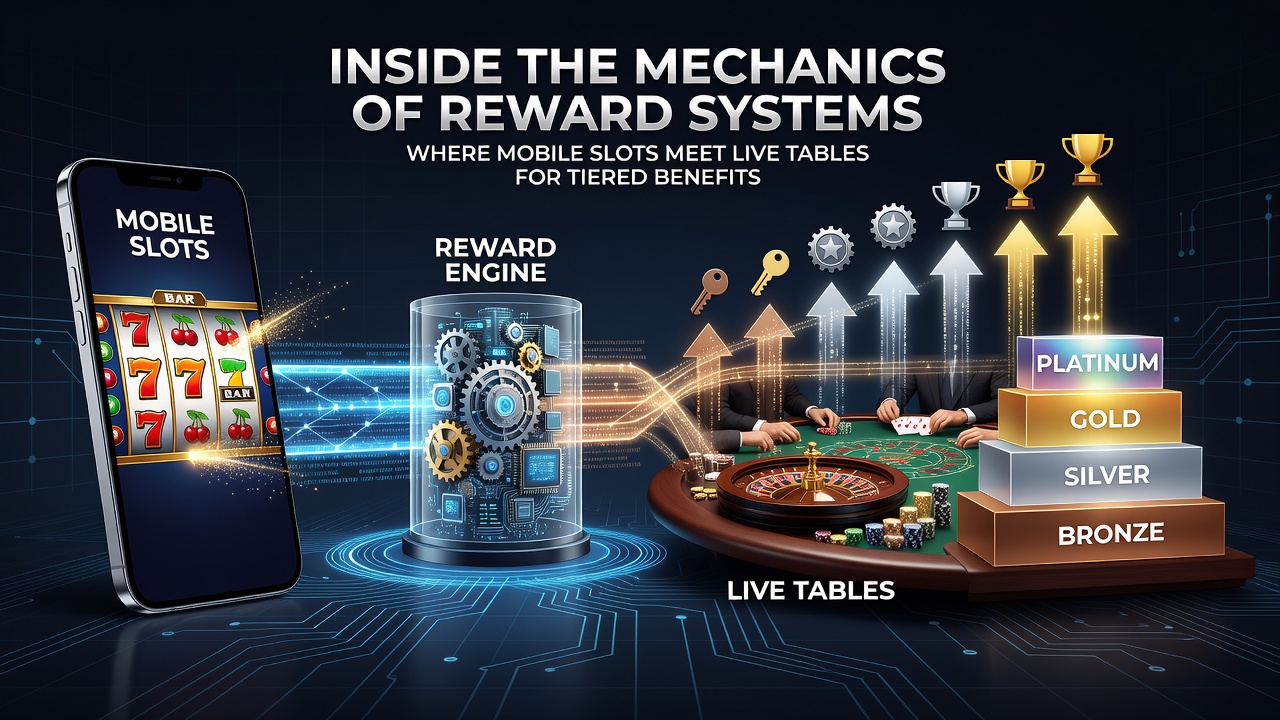
Integrated reward systems in mobile casino platforms track player activity across slots and live table games to determine eligibility for tiered benefits, and these structures operate through point accumulation mechanisms that convert wagers into loyalty status levels. Research from the American Gaming Association indicates that such combined tracking models have expanded in adoption since 2024, with operators using unified ledgers to calculate contributions from both game categories toward progressive rewards like enhanced cashback rates and exclusive event access.
Slot gameplay on mobile devices typically awards points at fixed ratios per bet amount, while live table sessions add multipliers based on game type and duration, creating layered pathways that accelerate advancement through bronze, silver, gold, and platinum tiers. Data from industry reports show that players engaging both formats reach higher tiers 30 percent faster than those focused on single categories, because algorithms weigh volume from slots against strategic play elements in tables like blackjack and roulette.
Core Components of Point Allocation Systems
Point allocation begins with base wagering multipliers that differ by game category, yet operators apply unified conversion tables so that mobile slot spins and live dealer decisions feed into the same loyalty database. According to figures from the Nevada Gaming Control Board, average point earnings per dollar wagered range from 0.5 to 2.0 across platforms, with live tables often granting higher rates during peak hours to balance overall engagement metrics.
These systems incorporate time-based bonuses and streak multipliers that activate when players alternate between mobile slots and live tables within defined windows, and such features encourage session continuity without requiring separate accounts for each format. Observers note that this cross-format linkage reduces fragmentation in player data, allowing precise tier calculations that reflect total activity rather than isolated game preferences.
Progression Pathways and Benefit Structures
Tier advancement follows cumulative thresholds that reset on monthly or quarterly cycles, and reaching each level unlocks scaled benefits including deposit match percentages, withdrawal priority, and personalized live table invitations. Studies from the University of Nevada, Las Vegas Center for Gaming Research reveal that combined slot and table play correlates with sustained tier retention rates above 65 percent, as diversified activity helps players maintain required volumes even during fluctuations in one category.
Benefit distribution occurs through automated triggers tied to tier status, where platinum members receive real-time cashback on live table losses and gold players access slot-specific free spin packages that contribute further points. External data compiled by the Australian Institute of Family Studies on gambling behaviors shows similar tiered models in regulated markets produce measurable increases in session length when rewards bridge mobile and live environments.
Technical Integration and Data Synchronization
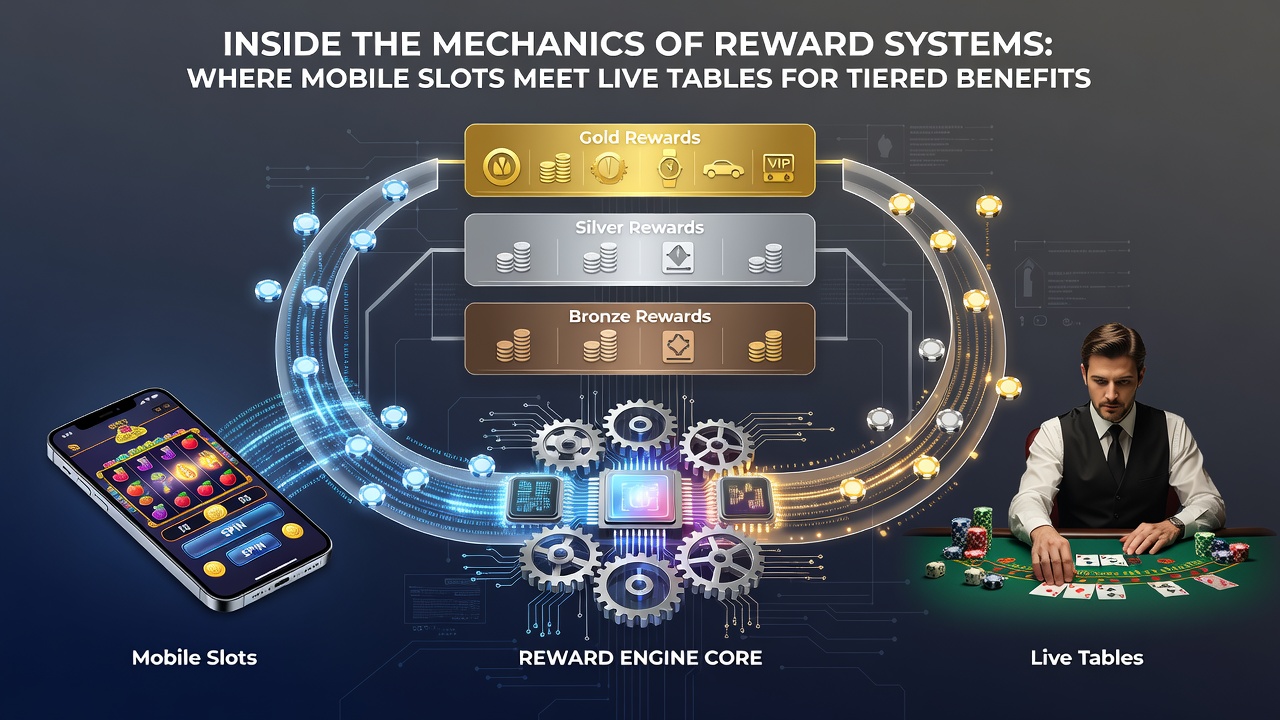
Backend synchronization relies on real-time APIs that merge transaction logs from mobile slot servers with live dealer platform feeds, ensuring points update within seconds of each wager completion. Operators deploy machine learning models to adjust point values dynamically based on aggregate player patterns, and these adjustments help maintain balanced progression across the player base as documented in quarterly operational summaries from Canadian provincial regulators.
Security protocols encrypt cross-format data streams to prevent discrepancies, while audit trails allow verification of tier eligibility during disputes. Researchers at the International Gaming Institute have documented that such integrated architectures reduce administrative overhead by up to 40 percent compared to siloed reward programs, because unified tracking eliminates duplicate verification steps.
Regional Variations in Implementation
European operators emphasize regulatory compliance in tier calculations by capping point multipliers on high-volatility slots and live table variants, whereas North American platforms often feature promotional accelerators during major sporting events that boost combined rewards. As of June 2026, reports from the New Zealand Department of Internal Affairs highlight steady growth in mobile-live hybrid loyalty programs, with participation rates climbing among users who split time between formats.
These regional differences stem from licensing requirements that dictate minimum return-to-player thresholds and disclosure rules for point values, yet the underlying mechanic of merging slot and table contributions remains consistent across jurisdictions. Industry analyses confirm that players who navigate these variations through strategic format switching achieve higher effective benefit yields over annual periods.
Conclusion
Tiered reward mechanics that connect mobile slots with live tables function through synchronized point systems, threshold-based progression, and automated benefit delivery, and these elements collectively shape player advancement in modern casino environments. Continued refinement of integration technologies supports accurate tracking while adhering to diverse regulatory frameworks worldwide.